Octopus SVG, DXF, EPS, JPG, PNG: Strategic Use for Design and Digital Projects
Octopus SVG, DXF, EPS, JPG, and PNG files are versatile digital assets that can significantly enhance your design workflow, branding efforts, and creative output. These file formats cater to a wide range of applications, from graphic design and illustration to industrial manufacturing and web development. Understanding the strengths and appropriate use cases for each format is essential for leveraging them effectively in your projects.
Understanding Octopus File Formats
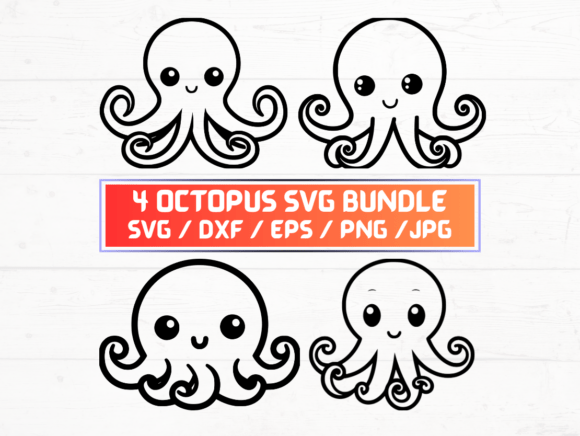
The term Octopus SVG, DXF, EPS, JPG, PNG refers to a set of vector and raster graphic files that represent an octopus design. Each file format serves different purposes based on its technical properties:
- SVG (Scalable Vector Graphics): Ideal for web-based graphics, logos, and illustrations that need to scale without losing quality.
- DXF (Drawing Exchange Format): Commonly used in CAD software for engineering, architecture, and manufacturing.
- EPS (Encapsulated PostScript): A vector format suitable for high-quality print and professional publishing.
- JPG (Joint Photographic Experts Group): Best for photographs and complex images with gradients and textures.
- PNG (Portable Network Graphics): Supports transparency and is excellent for icons, graphics, and web elements requiring clear edges.
Having access to these five formats in one downloadable ZIP folder ensures flexibility across various platforms and uses, whether you're designing for print, digital media, or industrial applications.
Strategic Use Cases for Octopus Files
When considering the strategic use of Octopus SVG, DXF, EPS, JPG, PNG, it's important to align their application with your specific goals. Here are several practical scenarios where these files can be valuable:
Branding and Marketing
A well-designed octopus graphic can serve as a unique emblem for a brand, especially in industries related to marine life, technology, or innovation. Using SVG and EPS files allows for scalable and high-resolution usage in logos, business cards, and promotional materials. The transparent background in PNG files makes them ideal for website banners, social media posts, and digital ads.
Web Development and E-Commerce
For websites and online stores, SVG and PNG files are preferred due to their compatibility with web technologies. An octopus graphic can be used as a header image, favicon, or part of a product showcase. The JPG format may also be useful for detailed product photography or background images where high color depth is necessary.
Manufacturing and Engineering
In industrial settings, DXF files are commonly used for creating blueprints, 3D models, or parts. If the octopus design is intended for laser cutting, CNC machining, or 3D printing, the DXF format provides precise vector data that can be imported into CAD software for further customization.
Graphic Design and Illustration
Designers and illustrators often work with EPS and SVG files for their ability to maintain clarity at any size. This makes them perfect for creating vector illustrations, posters, and infographics. The PNG format is also useful for creating layered designs with transparent backgrounds, which can be edited in programs like Adobe Photoshop or Illustrator.
Planning and Implementation Tips
Before using Octopus SVG, DXF, EPS, JPG, PNG files, consider the following factors to ensure they align with your project needs:
- Determine the purpose: Are you designing for print, web, or manufacturing? Each medium has specific requirements regarding resolution, file type, and format compatibility.
- Evaluate the platform: Different software and devices support various file formats. For example, DXF files are best suited for CAD software, while SVG works well in web browsers and graphic design tools.
- Consider scalability and quality: Vector formats like SVG and EPS are ideal for scaling without loss of quality, whereas JPG and PNG are raster formats that may lose detail when resized.
- Plan for transparency: If your design requires a transparent background, ensure you're using PNG files, which support alpha channels.
By carefully selecting the right format for each stage of your project, you can avoid common pitfalls such as pixelation, poor rendering, or compatibility issues.
Risks of Misuse and How to Avoid Them
While Octopus SVG, DXF, EPS, JPG, PNG files offer versatility, they can be misused if not applied thoughtfully. Some potential risks include:
- Using the wrong format for a task: For instance, using a JPG file for a logo may result in lower quality when scaled up, affecting brand perception.
- Ignoring platform limitations: Not all platforms support every file type. Ensuring compatibility before finalizing a design is crucial to avoid rework.
- Overlooking resolution requirements: High-resolution prints require vector formats like EPS or high DPI raster files, while web content typically uses SVG or PNG.
To mitigate these risks, always verify the intended use of the design, consult specifications, and test the files in the target environment before final deployment.
Conclusion
Octopus SVG, DXF, EPS, JPG, and PNG files provide a powerful toolkit for designers, marketers, and professionals working across multiple industries. Their adaptability allows for seamless integration into various projects, from branding and marketing to engineering and web development. By understanding the strengths and limitations of each format, you can make informed decisions that align with your goals and deliver consistent, high-quality results.